
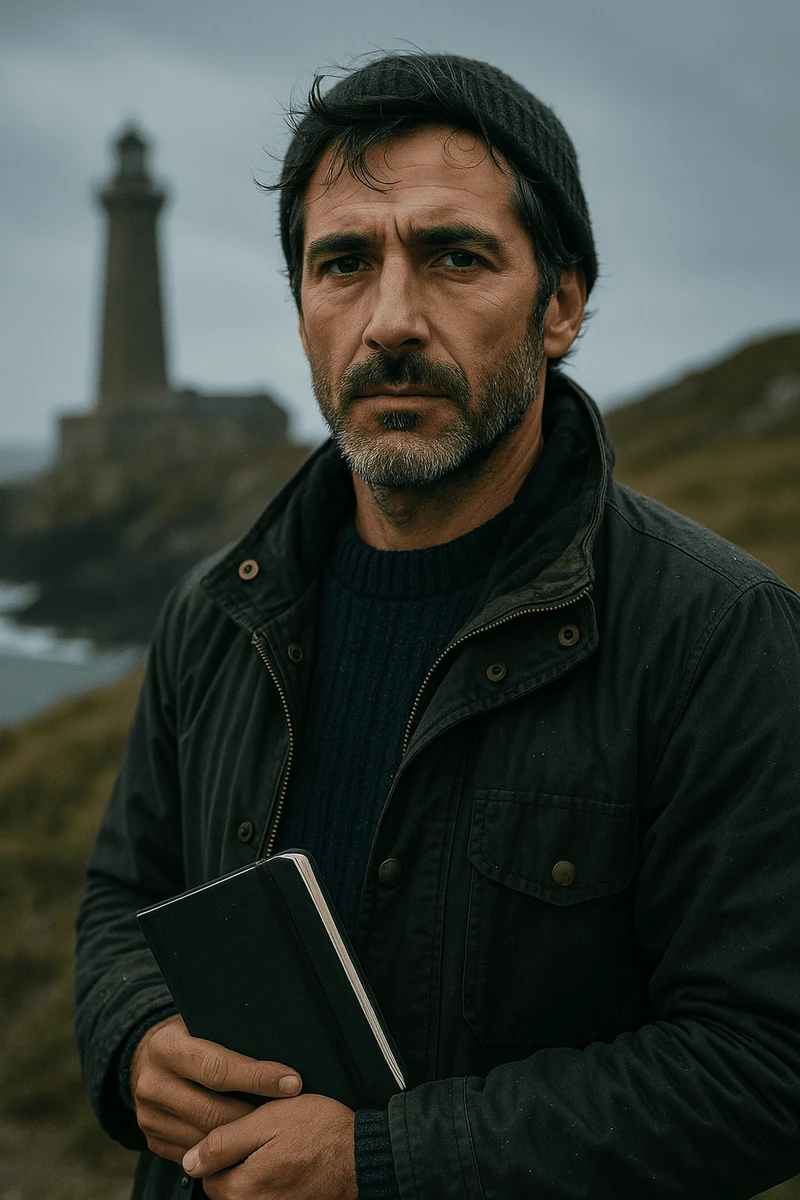
Author profile
Adrien Leiza
Atlantic noir
Adrien Leiza writes crime and psychological drama rooted in real coastal life. His stories move through ports, patrol rooms, boats, and border zones where decisions are made under pressure and time never quite cooperates.
▶ Meet Adrien Leiza on film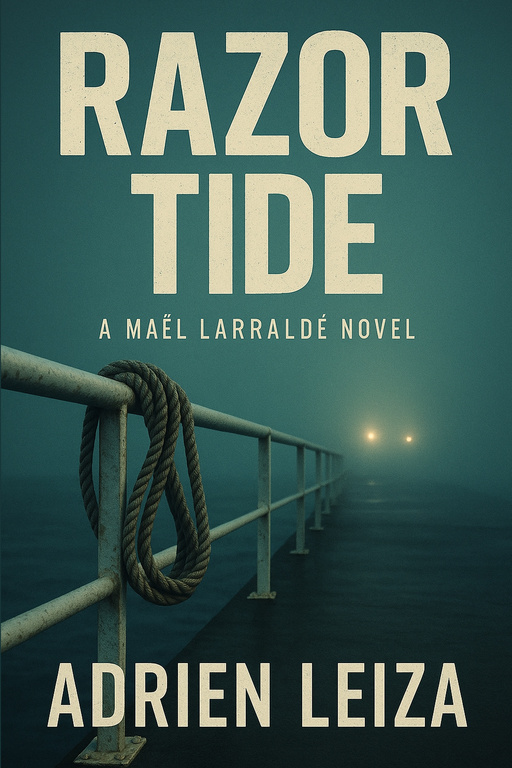
Leiza’s work avoids heroics and spectacle. Instead, it focuses on responsibility, delayed action, and the quiet aftermath of choices made too late or not at all.
Books & What’s Next
Books
Out Now: Razor Tide Book one of the Lantern Coast series
A returning Maritime Gendarmerie officer investigates a death that the island wants to call an accident. As another body appears, old debts, smuggling routes, and a buried rescue failure resurface. The case forces a choice between career safety, personal loyalty, and a truth the community agreed to leave underwater. The Lantern Man Book two of the Lantern Coast series
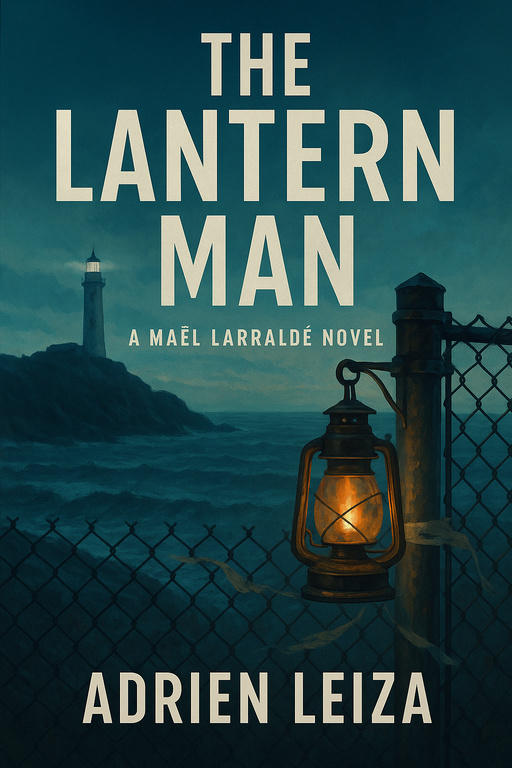
After a storm death during a public lantern vigil, Maël Larralde is hired to audit safety procedures under insurer pressure. Logs don’t match storm data. Harm appears timed to ritual schedules, crowds used as cover. As public relations push the ceremony forward, Maël races facts, permits, and outages to stop the next name from being etched.
Forthcoming:
White Squall at Kéréon Book three of the Lantern Coast series
A final investigation where sabotage uncovers a family vendetta stretching from Brittany to the Basque coast. Old grievances surface as storms close routes and options. The series concludes with consequences that can no longer be contained within one island.
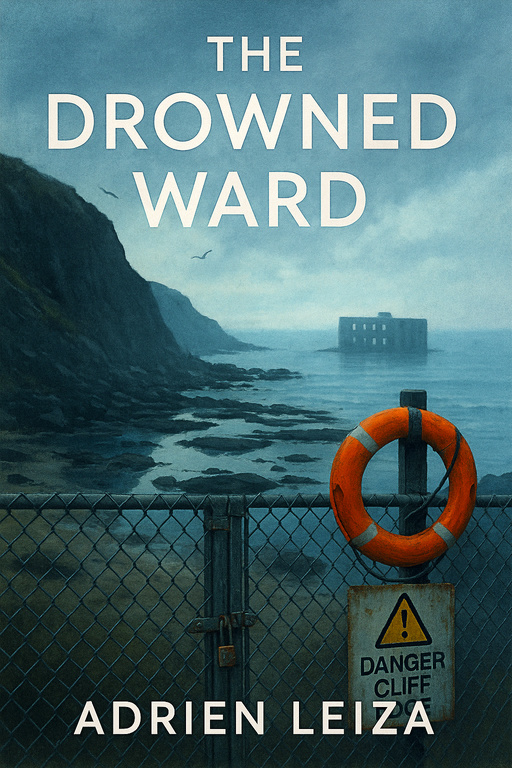
The Drowned Ward A nine-year-old vanishes from a cliff path at neap tide. A school counselor recognizes his drawings—and the faces circled in an old yearbook. As vigils turn public and copies spread, she must speak the one night she never has, before the tide takes the boy.
Salt in the Eaves Two brothers—one a chef, one a boat builder—reopen a decade-old case when their mother’s lighthouse journals surface. What was sealed as grief begins to look like design.
Weathering A storm chaser returns to scatter his father’s ashes and uncovers the lie a town was built to survive.
What’s Next
In development
The Galerne Files An investigative eco-thriller following a maritime gendarmerie liaison working with Interpol. Offshore energy projects, smuggling routes, and activist networks collide across Brittany, Cornwall, Galicia, and Iceland.
Background
Born to a French mother from Finistère and a Basque father from the Bay of Biscay, Leiza grew up between Saint-Malo and Saint-Jean-de-Luz. Tide tables, harbour lights, and working ports were part of daily life long before they became the backbone of his fiction.
He studied psychology in Bordeaux and spent a decade working alongside maritime authorities and sea-rescue reporting. He now lives near Pointe du Raz, where Atlantic weather is never abstract.