Kai Rydell

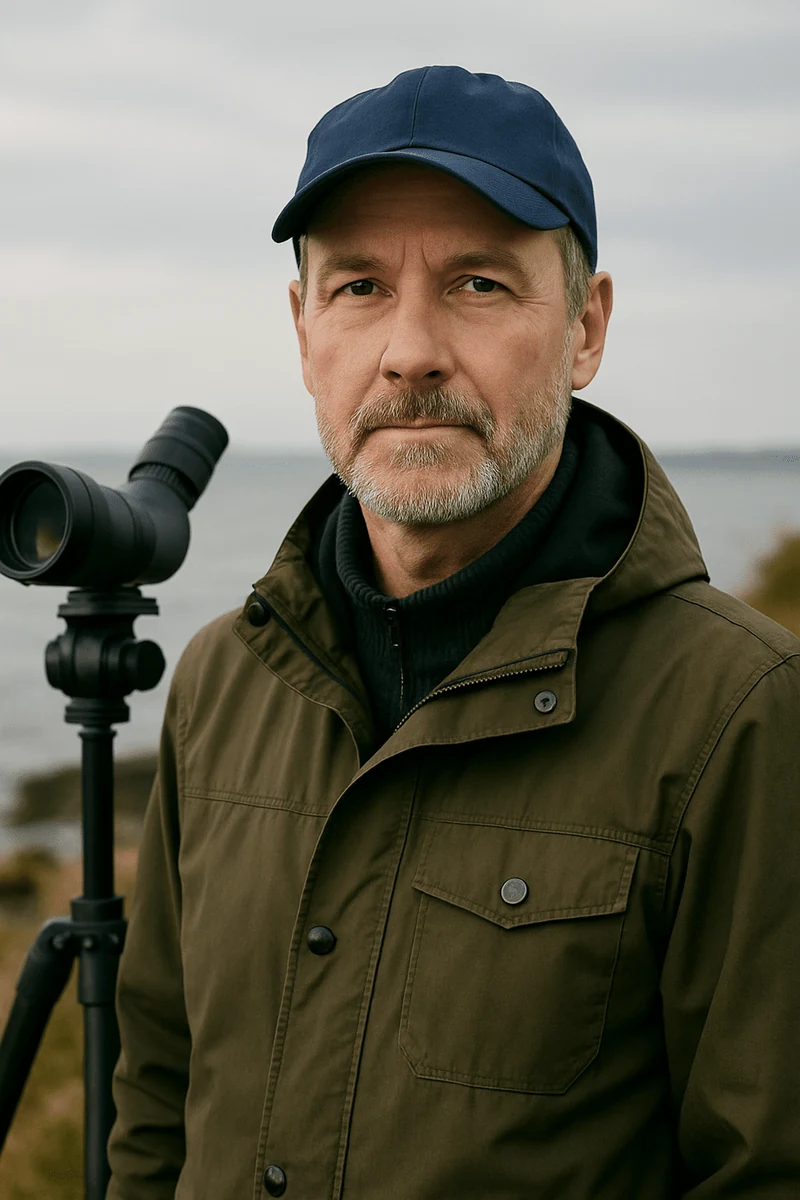
Kai Rydell writes Nordic thrillers where a birder’s patience becomes evidence. In The Larus Files, quiet observer Arvi Ström spots patterns beneath the Øresund Bridge and along Gothenburg’s quays, helping Customs trace sanctions-busting cargo and the money behind it. Expect rain-slick ports, sharp ethics, and page-turning investigations grounded in real logistics, not superhumans. Every witness counts, especially the ones watching.


UTP House author Kai Rydell

A 90-second introduction to Kai’s themes, tone, and what he’s writing next.

Prefer to read? Scroll for Kai’s promise, no-go list, and upcoming titles.


Who is Kai Rydell

Kai Rydell is a southern-Scandinavian thriller writer with a lifelong habit of looking longer than most people do. He’s a birder first—scope, notebook, and a talent for noticing what repeats and what shouldn’t—then a storyteller who turns observation into action. His fiction follows ordinary people and professionals who refuse to shrug off the “small” oddities: a timing tick under the Øresund Bridge, a crate that keeps reappearing, a bureaucratic pattern that doesn’t match the world it claims to describe. Bridge Alert introduces that lens through Arvi Ström and a cross-border investigation that widens from cargo to networks, money, and accountability.

About the author

What to expect from Kai Rydell’s books

Patient, pattern-based suspense (the clue is often timing, repetition, and what’s missing).

Ports, bridges, quays, and “in-between” places rendered with lived, weathered detail.

Contemporary stakes: sanctions, trade routes, shell structures, and the human cost of “just paperwork.”

Competent allies: Customs, investigators, analysts, and civilians working in tandem—not lone-wolf theatrics.

Clear, readable technical grounding without drowning the story in jargon.

If you like smart Nordic tension where observation becomes leverage, you’ll feel at home here.

What you won’t find here

Gratuitous gore or cruelty-as-spectacle.

“Everyone is rotten” cynicism as the main message.

Superhero competence or invincible protagonists.

Torture, sexual violence, or shock-first plotting.

Tech talk that exists to impress rather than illuminate.

The pressure is real, the stakes are human, and the choices matter more than the noise.


Books & What’s Next

Books

Out Now: none

Coming Soon:

The Larus Files Trilogy

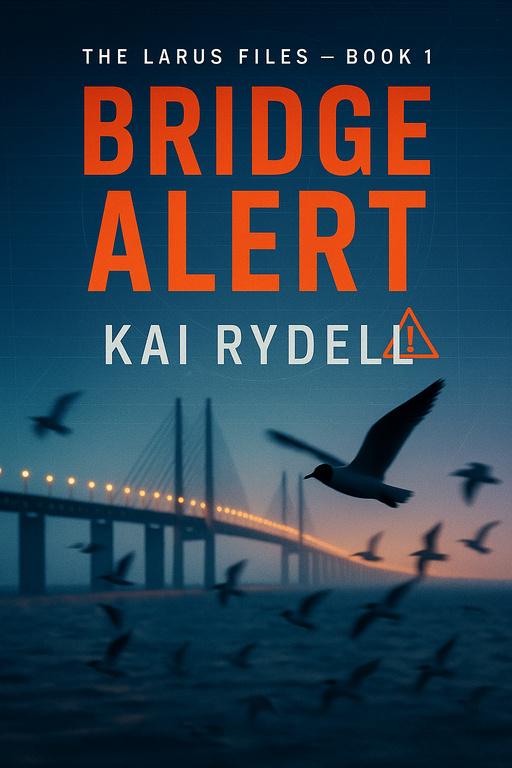
Bridge Alert (Book 1)
When drone-incursion alerts flare at Copenhagen Airport, attention pivots to the Øresund Bridge—while two long white reefers keep slipping through on the same clockwork timing. Birder Arvi Ström notes the pattern, calls a Customs contact, and helps launch a controlled delivery that turns a quiet hunch into a cross-border case—leading to sanctioned parts routed through a Russian-linked shell.

Forthcoming:

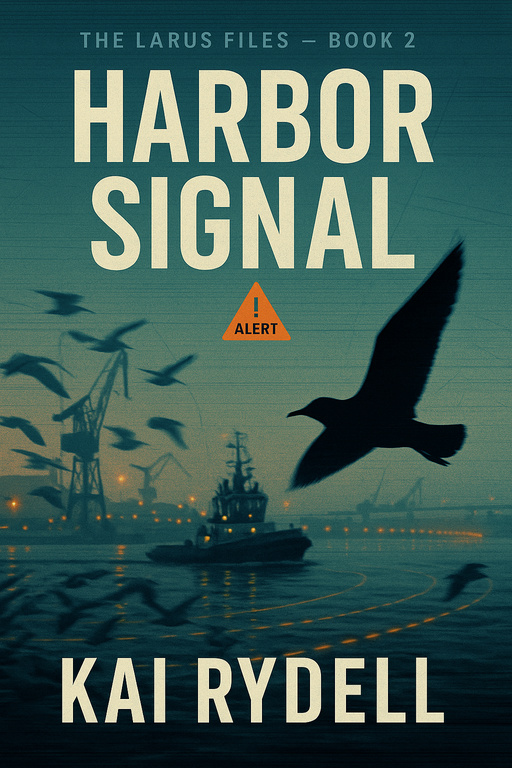
Harbor Signal (Book 2)
Gothenburg’s “green-port” pilot promises speed; a tug’s looping AIS and a harmless harbor-radio test tone provide cover. Arvi spots the timing tick, long-lens evidence catches repeating crate IDs, and exemptions begin to pause sampling at the wrong moments. Customs boards mid-loop in the rain—and what’s inside points past the quay, toward the financial fingerprints behind the movement.

What’s Next

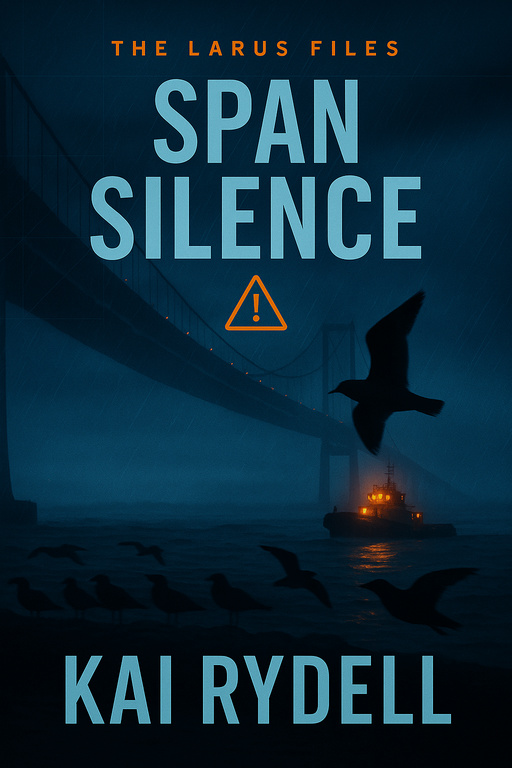
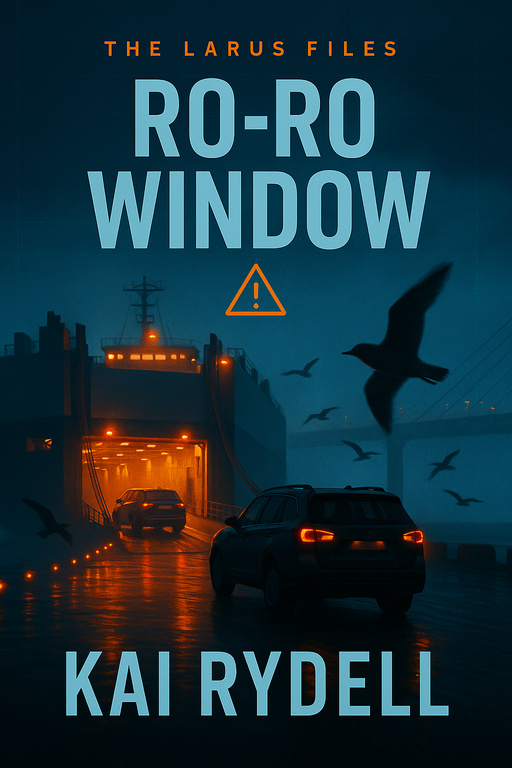
Kai is expanding The Larus Files in two directions: forward to close the trilogy with Span Silence, and backward with the pre-sequel Ro-Ro Window, exploring how “routine” operational gaps become repeatable smuggling windows. Expect the same rain-notebook scrutiny—small tells, big consequences—plus deeper pressure on institutions that sell “compliance” while quietly profiting from the blind spots.

Background

Before publishing as Kai Rydell, he spent years adjacent to the places his fiction now inhabits: ferry terminals, bridge approaches, breakwaters, landfill edges where gulls gather, and the administrative back-rooms that decide what gets checked and what glides through. He worked in communications and compliance-facing roles within the logistics orbit—close enough to learn the rhythms, never close enough to stop asking why. Birding remained the constant: long waits, sharp logs, pattern recognition. That habit became his method on the page: if the birds react, something changed; if they don’t, something changed too.