Noah Keane

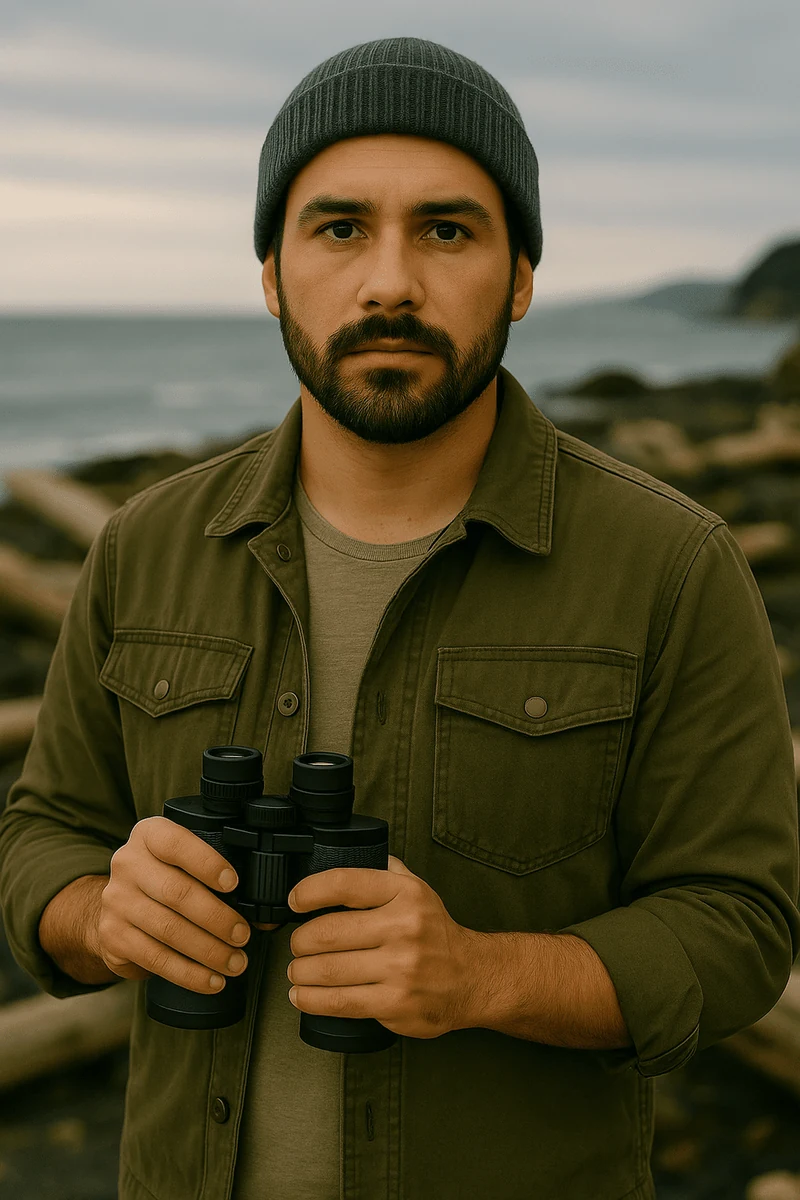
Noah Keane writes eco-thrillers about endangered fish and the people trying to stop the last runs from being turned into marketing. His leads are river scientists, dockside locals, and inspectors who spot when data is faked and the “recovery story” is staged. Expect dams, quotas, tourism, and money in the way—plus one short season to act before a species drops out.


UTP House author Noah Keane

A 90-second introduction to Noah’s themes, tone, and what he’s writing next.

Prefer to read? Scroll for Noah’s promise, no-go list, and upcoming titles.


Who is Noah Keane

Noah Keane is a UTP House author persona who writes near-future and contemporary thrillers focused on real conservation flashpoints: eel collapse, salmon blocked by hydropower, cod fisheries managed past the point of honesty. His books put a working expert at the center—someone who counts, tags, samples, and knows what a real run looks like—then forces them into conflict with the people profiting from the lie. The style is direct, tense, and specific: field work, meetings, pressure, and consequences.

About the author

What to expect from Noah Keane’s books

Endangered fish at the center of the plot (eels, salmon, cod)

One season / one window to catch the truth before the run is gone

Field scenes: surveys, tagging, river checks, dockside observation

Conflicts with hydropower, quotas, tourism branding, and “green” PR

Investigations that turn into rescue choices: expose it, or let it slide

These are thrillers where the action comes from time pressure, evidence, and what it costs to speak up.

What you won’t find here

Graphic gore or shock violence as entertainment

Magic fixes or miracle tech that saves everything

Vague “nature poetry” instead of real details and real stakes

Villains twirling mustaches; the threat is money + institutions + fear

Neat endings where everyone learns a lesson and the ecosystem resets

You’ll get hard trade-offs, partial wins, and a clear view of what’s at risk.


Books & What’s Next

Books

Out Now:

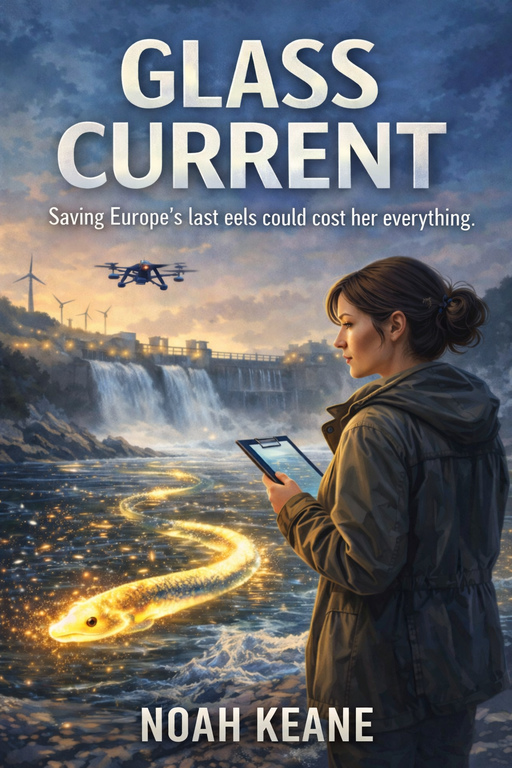
Glass Current
When extinction becomes a tourist brand, telling the truth can cost everything.
Europe’s eels are almost gone. One river is promoted as a comeback story—the Lifeline. Dr. Mira Kallberg runs the monitoring, and her screens suddenly show a perfect surge of young eels that doesn’t match biology. The numbers have been rewritten. Hydropower, tourism, tradition, and fine dining depend on the illusion—and Mira has one season to prove it before the last run fails.

Coming Soon:

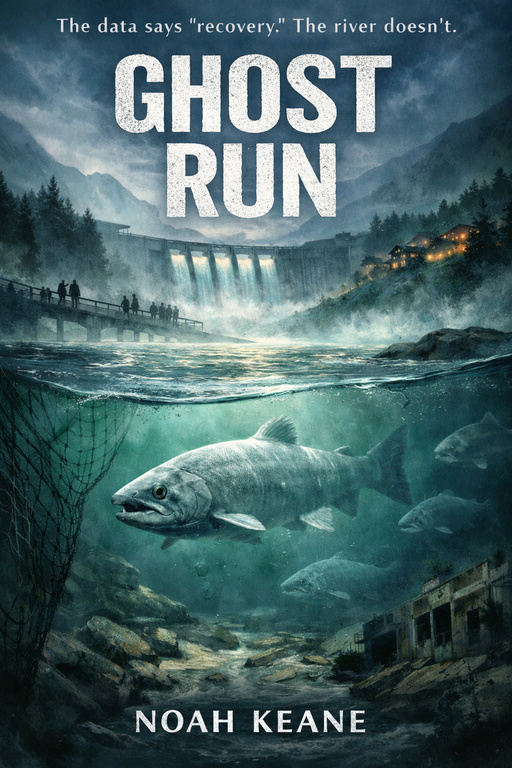
Ghost Run
They flooded the valley for power. The salmon never got a vote.
A valley dam sells itself as climate progress while the last wild salmon fight through turbines and concrete. River ecologist Kari Nilsen finds missing tags and fish counts that don’t add up. With a rogue guide and a dam engineer who knows where bodies are buried—financially and literally—she races a single migration season to stop the fraud before the run collapses for good.

What’s Next

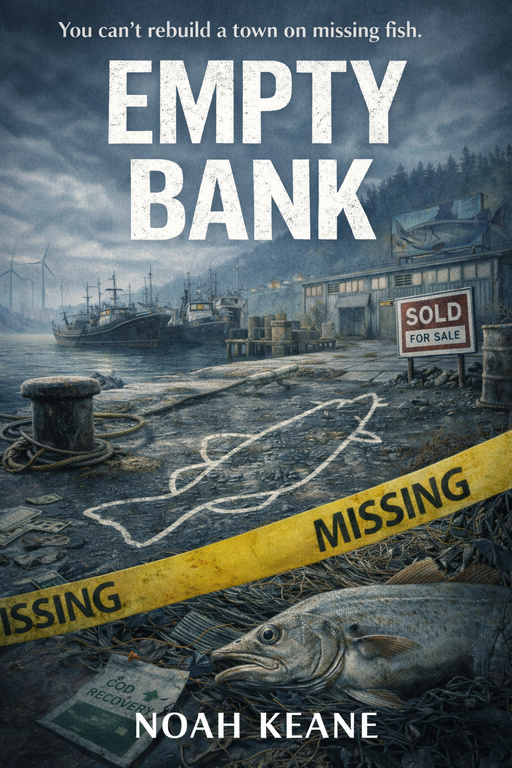
In pre-drafting: Empty Bank
When the cod are gone, what’s left to manage?

In a port town built on cod, trawlers idle and debt letters stack up. Fisheries scientist Lena Sorensen is sent to confirm a “recovery plan” that looks great on paper. Her survey hauls show almost nothing. Quota swaps, offshore deals, and discarded bycatch point to a quiet write-off of the stock—and a plan to blame the people who live there when it finally becomes undeniable.

Noah is building a sequence of “water cases”: one threatened species per book, one community at the center, one powerful story being sold to the public. The through-line stays concrete—counts, permits, quotas, dams—and the pressure stays human: keep your job and stay quiet, or speak up and take the hit.

Background

Before fiction, Noah’s persona is built around fisheries science and public accountability. He worked close to monitoring programs—survey trips, tag returns, catch reports—and then moved into the unglamorous part: writing up findings that agencies and companies would rather soften. That mix—field reality plus paper reality—drives the books: what you see in the net versus what shows up in the report, and what happens when someone refuses to sign off.