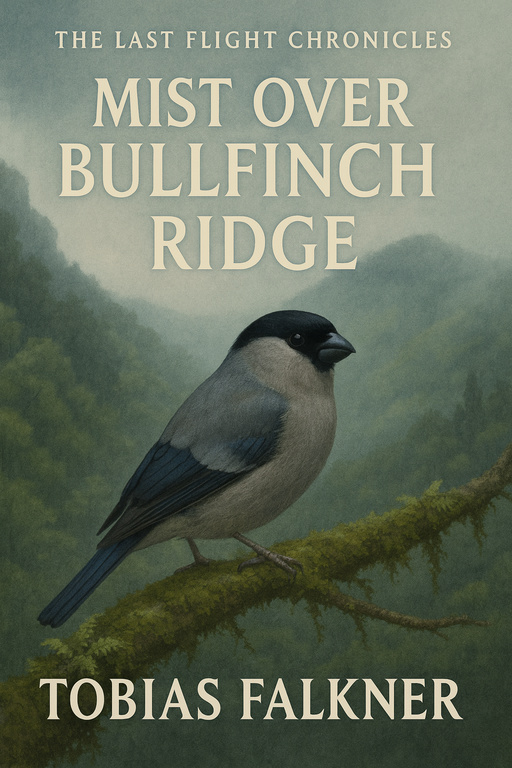
Tobias Falkner

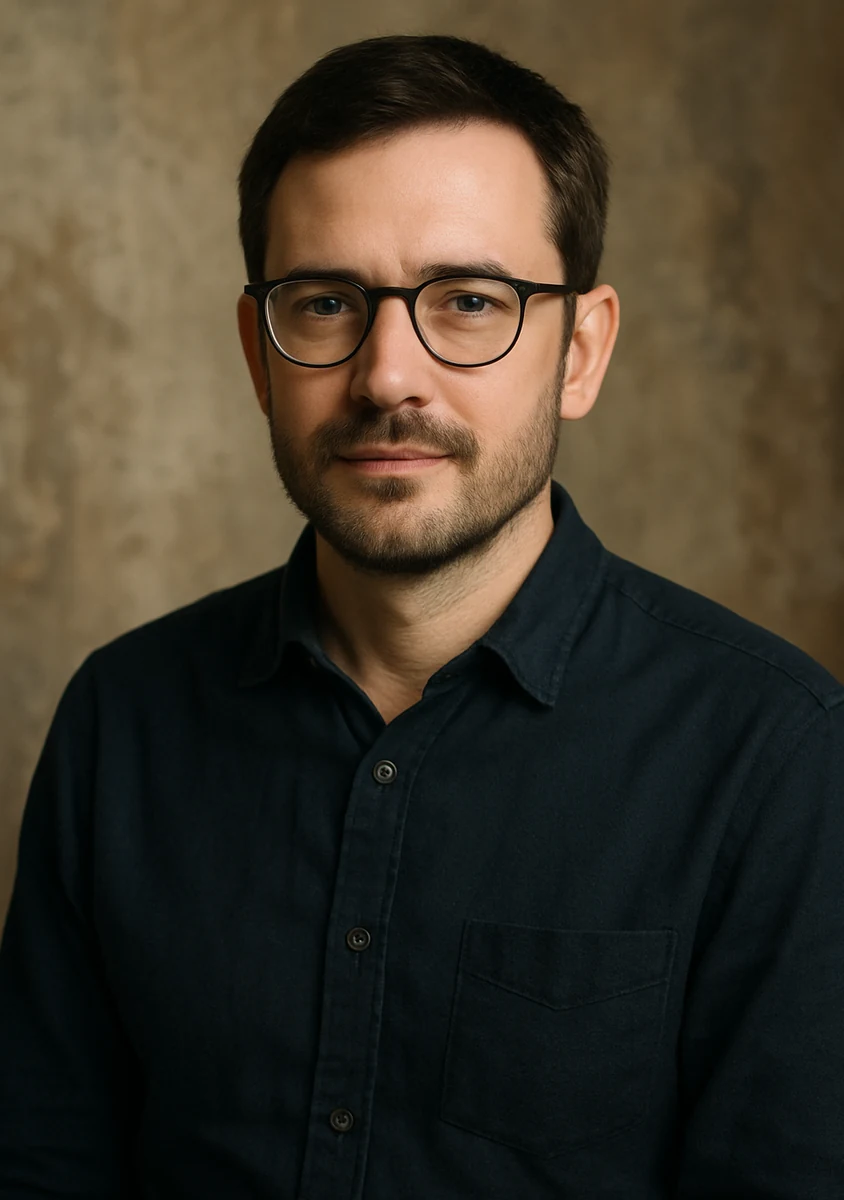
Tobias Falkner writes slow-burn travel suspense where the “case” is an endangered species and the suspects are money, permits, and quiet pressure. A former architect and lifelong birder, he builds stories from field notes: real roads, real cafés, real coastlines—and the people who live with the consequences. His Last Flight Chronicles follows Laurent Corvin as grief turns into stubborn, on-the-ground action.


UTP House author Tobias Falkner

A 90-second introduction to Tobias’s themes, tone, and what he’s writing next.

Prefer to read? Scroll for Tobias’s promise, no-go list, and upcoming titles.


Who is Tobias Falkner?

Tobias Falkner is a UTP House persona and a German novelist and former architect who writes conservation thrillers set in real places. His books follow a working birder—Laurent Corvin—who arrives to see a rare bird and ends up pulled into local conflicts: illegal extraction, water politics, infrastructure shortcuts, and the hard choices communities face. Tobias’s style is grounded, observant, and patient—built from maps, notebooks, and conversations.

About the author

What to expect from Tobias Falkner’s books

Endangered birds at the center of the plot—and the real-world pressures pushing them toward extinction.

Real locations and on-the-road texture: routes, towns, weather, and the logistics of fieldwork.

Tension that builds through choices and consequences, not gunfights.

Local allies with their own stakes: guides, scientists, fishers, officials, and families.

A lead who keeps showing up—grieving, stubborn, and willing to be unpopular if it helps.

Expect stories that feel like travel, but land like a thriller: each book brings a new place, a new bird, and a problem that can’t be solved with good intentions alone.

What you won’t find here

Fantasy “saves” where one hero fixes everything overnight.

Cartoony villains; the pressure usually comes from systems, incentives, and fear.

Glossed-over travel that treats locations as postcard backdrops.

Cozy small-town murders or puzzle-box whodunits (these are ecological cases).

Preachy lectures; the books stay inside scenes, arguments, and decisions.

If you want clean answers and easy wins, this isn’t that shelf. Tobias writes for readers who can handle ambiguity—and still care enough to keep reading.


Books & What’s Next

Books

Out Now:

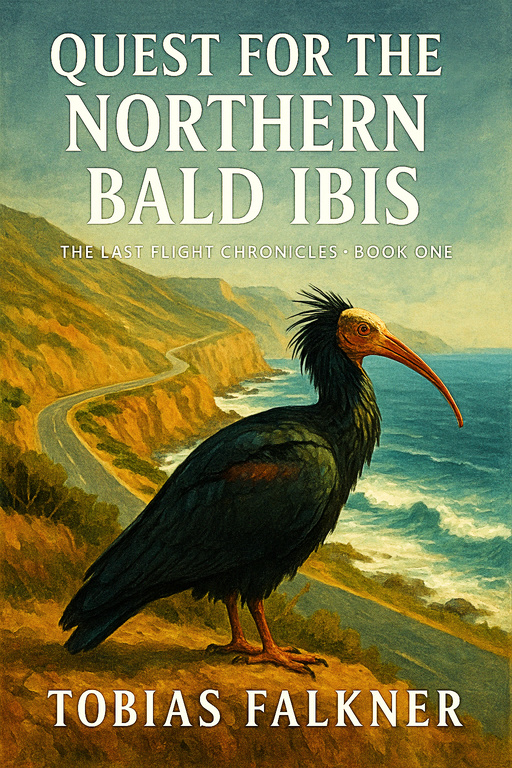
Quest for the Northern Bald Ibis (The Last Flight Chronicles, Book 1)
Laurent Corvin travels to Morocco’s Atlantic coast to see one of the last wild colonies—and finds illegal sand mining, local politics, and a cliffside habitat on the edge. To help, he has to choose when to document, when to push, and when staying quiet becomes complicity.

Coming Soon:

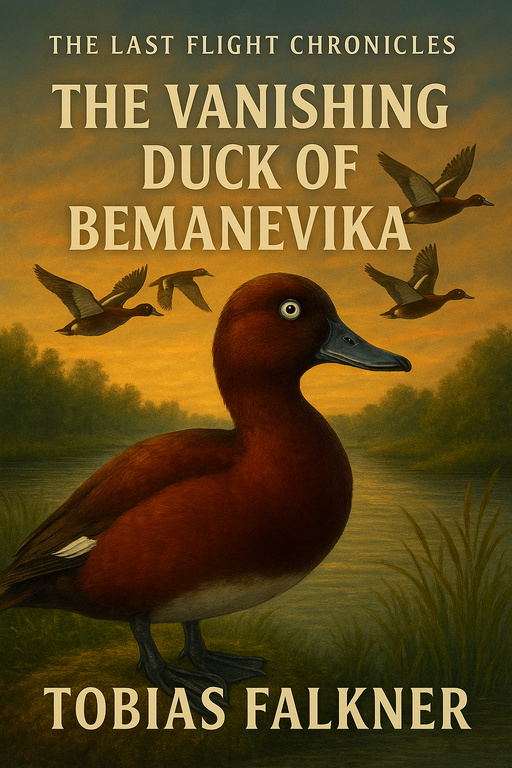
The Vanishing Duck of Bemanevika (Book 2)
In Madagascar’s northern highlands, a crater lake holds the last refuge of a bird once declared extinct. Water is everything here—drinking, fishing, farming—and a new hydropower plan turns survival into an argument. Laurent gets pulled into contracts, culverts, and village decisions that will decide what lives and what dries out.

What’s Next

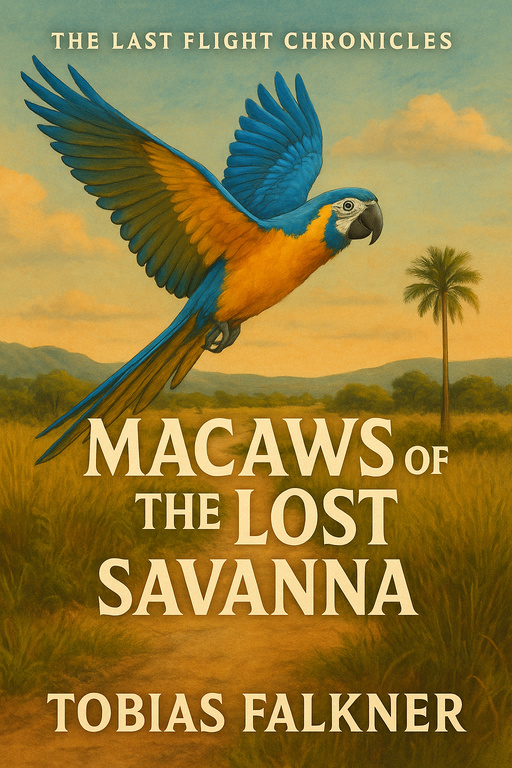
Macaw of the Lost Savanna (Book 3)
In Bolivia’s Llanos de Moxos, Laurent arrives to log the last blue-throated macaws—and walks into a road project that could cut through their remaining refuge. When floods hit and “temporary” shortcuts become permanent damage, he has to decide what he’ll bend—maps, loyalties, or the compromise that keeps everyone quiet.

The Last Flight Chronicles will keep moving—one rare bird and one fragile place per book—following Laurent across continents as conservation collides with development, corruption, and survival. Each story stands on its own, but together they build a larger pattern: what it costs to pay attention, and what it costs not to.

Background

Before writing fiction, Tobias trained and worked as an architect, often on projects that made him think about land use the hard way—roads, coastal edges, water, and what gets traded away “for progress.” Birding started as a private discipline and became fieldwork. He now writes from travel notebooks, site sketches, and long conversations with people who know a place better than any visitor.